Paint Surfaces Prepared for Protection
Clay Bar & Decontamination in Des Moines and surrounding cities for vehicles with rough paint texture or prior to wax and coating application
Running your hand across seemingly clean paint often reveals a rough, gritty texture caused by bonded contaminants that washing can't remove. Industrial fallout, brake dust particles, and tree sap embed in clear coat surfaces over months of exposure, creating a textured layer that blocks wax from adhering properly and dulls the paint's reflective clarity. Noble Detailing removes these contaminants through clay bar treatment in Des Moines and surrounding areas, a mechanical process that lifts embedded particles without abrading the paint itself, restoring the glass-smooth surface necessary for protective coatings to bond effectively and shine fully.
Decontamination becomes essential before applying ceramic coatings or sealants, since those products lock in surface texture along with protection—sealing over rough, contaminated paint produces disappointing gloss and shortened protection life. The process uses lubricated clay media to grab and remove particles lodged in paint pores, leaving a clean surface ready for bonding.
Schedule a paint evaluation to assess contamination levels and determine whether decontamination should precede your next protection treatment.
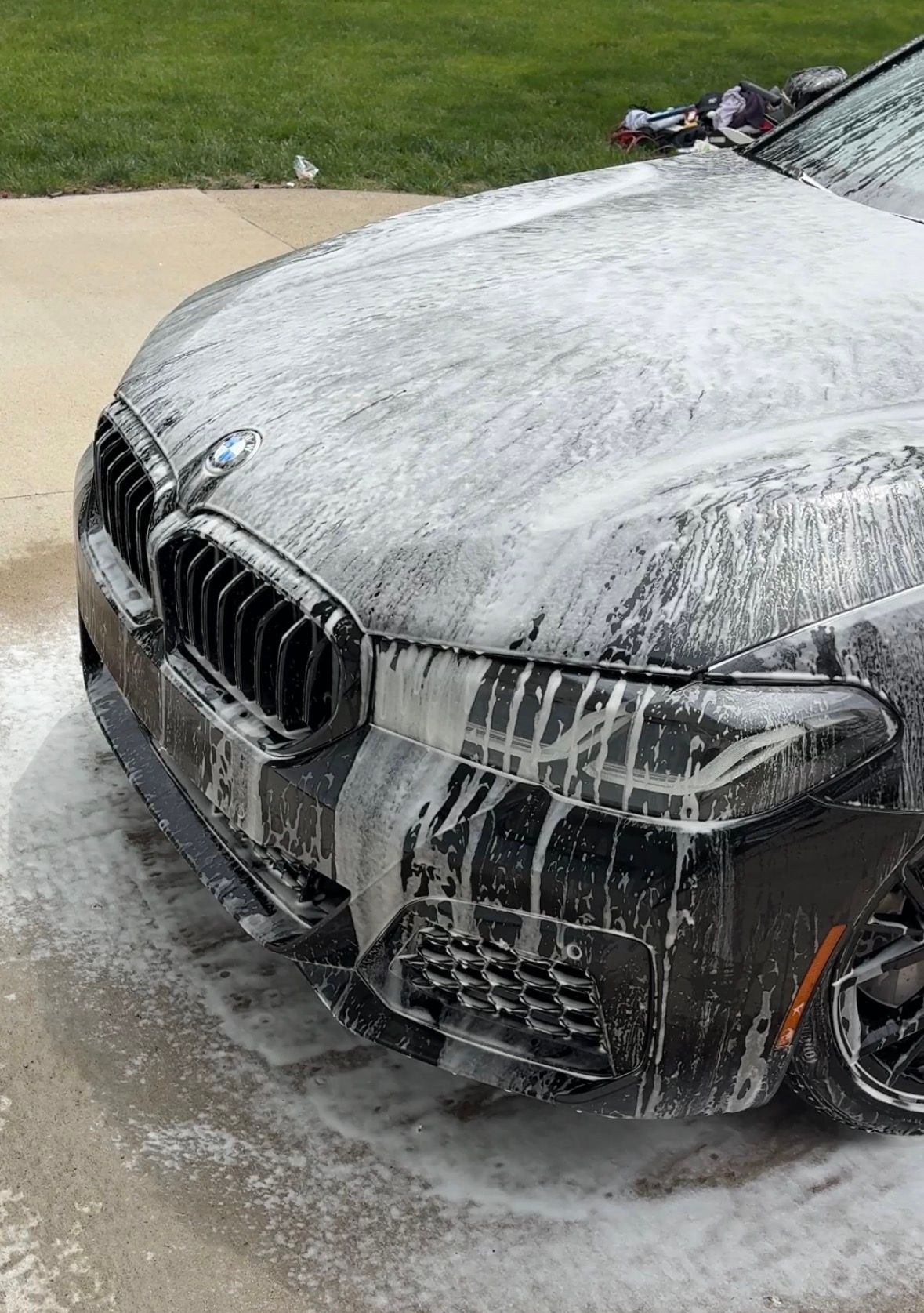
Why Decontamination Works for Paint Clarity
Clay bar treatment physically pulls embedded material from paint surfaces through a shearing action that washing and chemical cleaners can't replicate. Lubrication prevents the clay from marring the clear coat while allowing it to grab ferrous particles, rail dust, and organic residues that bond to paint at the molecular level, creating the rough texture you feel when running your palm across a contaminated panel.
After decontamination finishes, you notice paint that feels slick under your hand rather than gritty, and light reflects evenly across panels instead of scattering off microscopic surface debris. Wax applied to decontaminated paint spreads smoothly and bonds directly to clean clear coat, producing deeper gloss and longer-lasting protection than the same product applied over contaminated surfaces.
This process addresses embedded contamination but doesn't correct scratches, swirl marks, or oxidation—those imperfections require polishing after decontamination removes particles that would interfere with abrasive correction. Vehicles exposed to harsh Iowa winter road treatments or parked near industrial areas benefit most from regular decontamination to prevent permanent bonding of corrosive particles.
Questions Before Starting Your Project
Owners preparing for paint protection or noticing diminished shine despite regular washing often ask about the decontamination process before committing to the service.
What contaminants require clay bar removal instead of washing?
Ferrous brake dust particles, industrial fallout containing metal oxides, tree sap that has hardened onto the clear coat, and rail dust from transport all bond chemically or mechanically to paint surfaces in ways that water pressure and soap cannot break, requiring physical removal through clay treatment.
How does decontamination improve the effectiveness of wax or sealant?
Protection products bond to paint at the molecular level, but contaminated surfaces prevent full contact between the product and clear coat, reducing both initial gloss and protection duration—decontamination removes the barrier layer so wax adheres directly to clean paint.
Why do vehicles in the Des Moines area need decontamination more frequently during certain seasons?
Winter road treatments and spring pollen create higher contamination loads, with salt brine carrying metallic compounds that embed in paint and organic tree debris releasing sticky residues that bond during temperature fluctuations common in Iowa's variable spring weather.
When should clay treatment be performed relative to other detailing services?
Decontamination follows washing but precedes any paint correction or protection application, since polishing contaminated paint grinds particles across the surface and creates scratches, while sealing over contaminants traps roughness beneath the protective layer.
What indicates that paint surfaces need decontamination?
The plastic bag test reveals contamination—slide your hand inside a thin plastic bag and run it across washed paint, and any roughness or bumpy texture you feel indicates bonded particles that require clay bar removal before protection application.
Noble Detailing assesses paint contamination levels during initial inspection, identifying panels with heavy particle buildup versus those needing only light decontamination. Request a surface assessment to determine the preparation your vehicle requires before applying protective treatments.